

Our Team
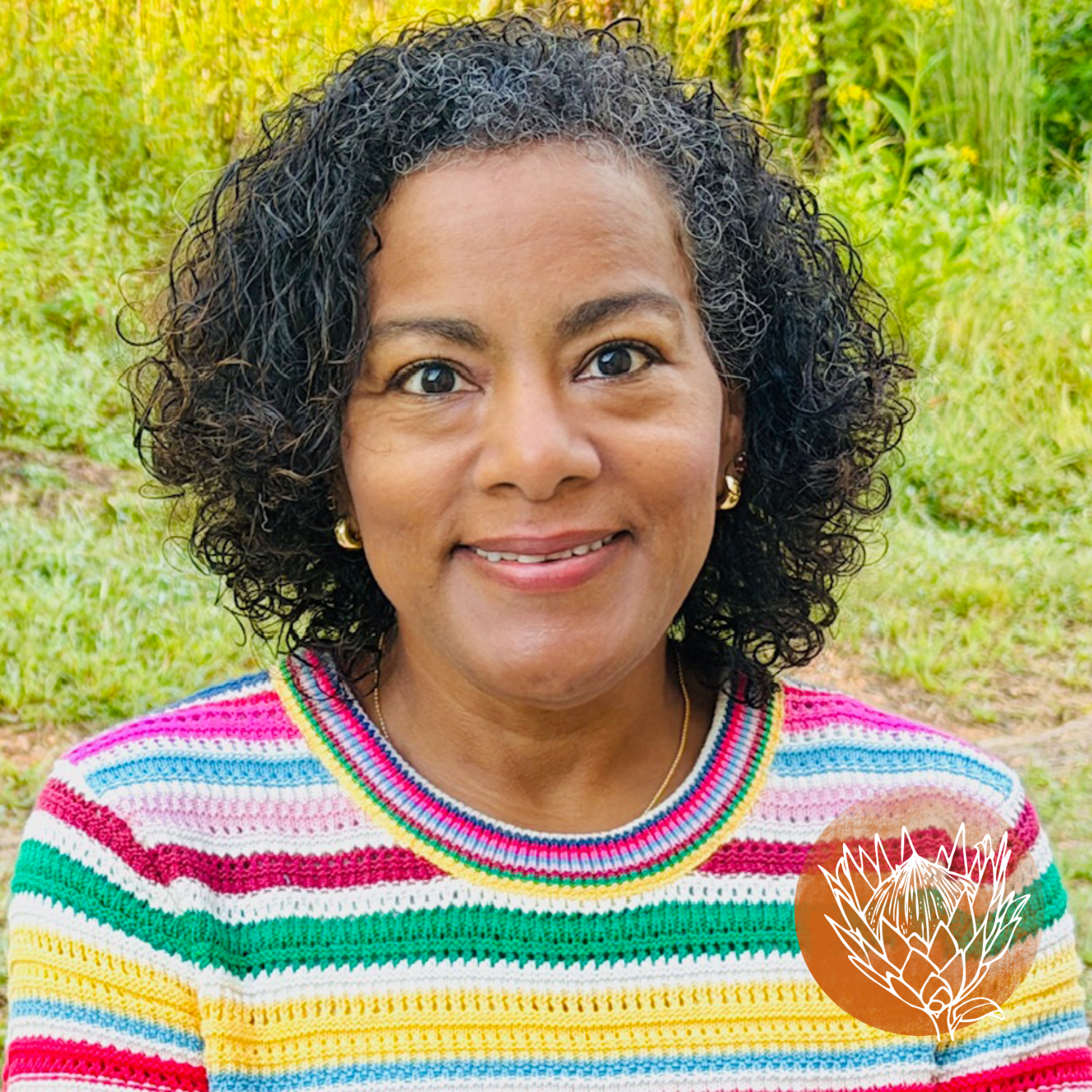
Dawn M. Anderson, MSW, LCSW
Clinical Coordinator, Sister Circle Program
Dawn (she/her) earned her master’s degree in social work from Howard University in 2001 and has been a licensed clinical social worker for over 20 years. She provides compassionate, culturally sensitive, person-centered support for clients navigating trauma, relationship challenges, grief and loss, health concerns, and life transitions. Dawn integrates TWI’s evidence-based, trauma-informed model with approaches including cognitive behavioral therapy, mindfulness, motivational interviewing, and narrative therapy.

Tianna Jordan, MS
Sister Circle Therapist and Outreach/Education Coordinator
Tianna (she/her) is passionate about supporting diverse and underserved communities by offering inclusive, trauma-informed care with warmth and compassion. She views therapy as a space where healing is possible and where participants can honor life’s challenges. Tianna's integrative approach rooted in somatic practices, CBT, DBT, EFT, and attachment theory reflects her passion for racial and generational healing. She earned her M.S. in Mental Health Counseling from Longwood University in 2022.

Grace Wint, MS
Sister Circle Therapist
Grace (she/her) is passionate about helping others find peace and embrace their authentic selves. She hopes to reduce the stigma of counseling in her community. Grace uses a holistic lens, leaning on mindfulness and trauma-informed theories. She believes people heal in relationships, making the therapeutic relationship vital in her practice. Grace offers a non-judgmental space of unconditional positive regard. She earned her MS in Counseling from UNC-Greensboro.

Shelly Wood, LCSW
Interim Executive Director of the Mental Health Counseling Program
Shelly (she/her) serves as co-interim executive director, where leads the mental health counseling, resilience, and community partnership programs. A native of Charlottesville, she has 10 years of experience at the agency. Shelly is focused on ensuring the organization’s mental health programs are accessible, responsive, and rooted in a community care model of service, which meets our participants where they are and improves mental health outcomes.